How Senior Home Care Services Decrease Loneliness and Social Isolation
Business Name: FootPrints Home Care
Address: 4811 Hardware Dr NE d1, Albuquerque, NM 87109
Phone: (505) 828-3918
FootPrints Home Care
FootPrints Home Care offers in-home senior care including assistance with activities of daily living, meal preparation and light housekeeping, companion care and more. We offer a no-charge in-home assessment to design care for the client to age in place. FootPrints offers senior home care in the greater Albuquerque region as well as the Santa Fe/Los Alamos area.
4811 Hardware Dr NE d1, Albuquerque, NM 87109
Business Hours
Most families start looking into senior home care due to the fact that of something useful. A fall. A brand-new medical diagnosis. Missed medications. What catches them off guard is how rapidly social seclusion sneaks in underneath the medical concerns, and how deeply it affects the older grownup's state of mind, health, and even survival.
I have sat at kitchen tables with children and daughters who were surprised to find their parent had gone days without a genuine discussion. Not since anybody suggested for that to happen, but because adult children worked long hours, next-door neighbors moved away, pals stopped driving, and time merely did its work.
Home care, when it is done well, does far more than aid with bathing and cooking. It can reset a senior's entire social environment, typically in peaceful, practical manner ins which do not look remarkable on paper but feel life altering inside the home.
This is where at home senior care makes its keep.
Loneliness is not just "feeling a bit down"
Loneliness in older grownups is not simply an emotional hassle. It behaves more like a persistent disease.
Research returning more than a years links prolonged social isolation with greater risks of depression, anxiety, cognitive decrease, heart problem, and even earlier death. Public health firms frequently compare its impact to smoking a considerable number of cigarettes each day. While numbers vary by study, you consistently see a 25 to 30 percent increase in sudden death amongst really separated older adults.
Clinically, I see solitude show up in subtle methods first. Meals get skipped not because there is no food, but due to the fact that consuming alone feels meaningless. Sleep patterns drift into odd hours. An once cool home starts to slip, not all at once, however through a steady "why trouble" mindset. Hearing and vision loss can magnify this. When following discussions is harder, individuals withdraw to prevent shame or frustration.
Family members often translate this as stubbornness or "giving up," but below you generally discover a shrinking social world. That is the space senior home care can fill if it is structured with connection in mind, not just job completion.
Why older adults are struck harder by isolation
You can not resolve isolation with a one size fits all method, due to the fact that the factors it appears are different at 78 than at 38.
Several forces tend to converge in later life:
Retirement interrupts everyday contact with coworkers and the subtle routines of office life. Friendships developed over years can disappear practically over night. Without purposeful replacement, a person can go from dozens of daily interactions to almost none.
Loss and sorrow are likewise common. A spouse passes away, next-door neighbors move, brother or sisters die. The phone rings less. Vacation tables shrink. Each loss makes it a little more difficult to risk buying brand-new connections.
Mobility changes matter more than lots of families expect. A brief walk from the vehicle that felt great at 65 may feel impossible at 85 in an Albuquerque summer. Unequal sidewalks, altitude, and joint discomfort turn a simple trip into a risk. When it becomes simpler to stay home than to browse those barriers, people do.
Health conditions can restrict speech, swallowing, continence, or stamina. The less physically positive somebody feels, the more they frequently pull back to safeguard their dignity.
Technology, for all its advantages, hardly ever compensates fully. Some older adults accept video calls and messaging. Lots of do not, especially if vision, hearing, or cognition are impaired.
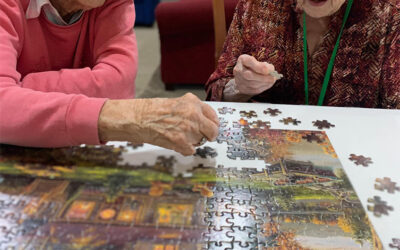
The outcome is a sluggish however stable constricting of the elder's world. Senior home care can not reverse every loss, but it can widen that world in constant, practical ways.
What "great" at home senior care looks like against loneliness
Families often photo home care as a helper who comes in, cleans the house, assists with a shower, heats up a meal, then leaves. That is the minimum. When I speak about senior home care reducing isolation, I am explaining something more intentional.
Companionship sits at the center. A strong caretaker does not just stand close-by during tasks; they engage. They chat while preparing lunch, inquire about old photos on the wall, sit and enjoy a preferred show together, or take some time to listen to the same story for the fifth time without revealing impatience. This is not fluff. It is the material of a regular human day.
Consistency matters just as much. If an older grownup with memory modifications sees a various face every visit, the potential genuine connection diminishes. With routine projects, trust establishes. Humor shows up. Inside jokes appear. The caregiver learns when the customer tends to be more alert, what sets off stress and anxiety, which topics light them up.
Routine is another quiet weapon versus isolation. A predictable schedule for meals, walks, bathing, and activities helps keep days from blurring together. It creates anchor points. "Maria comes Monday, Wednesday, Friday at 9; we have coffee and read the paper together." That is an extremely different emotional reality from vaguely hoping someone may drop in.
Lastly, a thoughtful in-home care plan looks both inward and outside. Inward implies supporting the senior's emotional life inside the home. External means assisting them keep or reconstruct ties to the larger community, whether that is a faith group, a senior center, a knitting circle, or simply long standing buddies who require aid visiting.
Key methods home care blunts loneliness
It can help to call the particular levers at home senior care can pull. At a practical level, high quality elder care in your home normally supports social connection in numerous repeating ways:
- Building routine face to face contact through set up caregiver visits, so the senior has ensured human interaction numerous times a week, not simply sporadic check ins.
- Facilitating safe trips, such as rides to a senior center, church, the library, or a preferred coffee shop, particularly when driving is no longer possible.
- Supporting communication with friends and family by assisting with call, video chats, letters, or text when technology or physical constraints get in the way.
- Structuring significant in home activities, like shared hobbies, light workout, music, or organizing old pictures, so time together is purposeful and engaging.
- Monitoring for state of mind modifications, sleeping patterns, hunger, and withdrawal, then communicating concerns to household or nurses before an emotional depression deepens into major depression.
Notice that none of this includes requiring extroversion on somebody who has actually constantly been quiet. The very best caretakers regard personality. They can being in companionable silence with a book nearby if that is what the person chooses, but the distinction is that the elder is no longer silently separated without any choice for interaction.
Home versus facility: various sort of social life
Families sometimes presume that transferring to assisted living inherently fixes loneliness. In some cases it does help. Numerous locals do discover brand-new buddies and participate in activities. However it is not guaranteed.
Facility life tends to prefer seniors who are outbound, cognitively undamaged, and still fairly mobile. There is a calendar of occasions, group meals, and chances to talk in hallways and recreation spaces. For a shy person with hearing loss or early dementia, these same environments can feel frustrating, noisy, and confusing.

In-home senior care turns the formula. The elder remain in a familiar environment where they feel oriented and in control. Social interaction is available in more curated, one to one types. A caregiver can accompany them to adult day programs or brief occasions they choose, then bring them home to rest.
Neither design is naturally right or wrong. For some, a center supplies a needed village. For others, home is where they can remain themselves, as long as the right assistance is in location. When loneliness is the dominant concern, I typically discover that customized home care for parents uses a better match, since we can adapt the quantity and kind of interaction far more flexibly.
What this looks like inside the home
Abstractions make all of this sound easier than it feels on the ground. A couple of real life patterns might be helpful.
One gentleman in his late eighties had stopped leaving his home in Albuquerque after his other half died. His child employed part time home care generally for safety. The first few weeks, he barely spoke. The caregiver noticed stacks of notebooks on his rack and asked about them. Ended up he had actually composed amateur histories of local areas years before.
That became their bridge. Two times a week they would drive, slowly, to among those old haunts. He would explain changes, inform stories about who lived where, then return home with sufficient product to modify another chapter. His mood lifted within months. Nothing exotic altered. The key was a caretaker who saw isolation, not simply frailty.
Another case involved a retired teacher with Parkinson's whose hands shook too much to manage her tablet. Her kid lived out of state and felt helpless. An at home caretaker began spending the last ten minutes of each visit helping her call him. When she grew comfortable, they included short calls to two previous associates. The innovation itself was not the point. The point was restoring a sense of belonging to a web of relationships rather than an endpoint.
In both circumstances, senior home care did not cure disease. It did not reverse time. It simply brought human attention to the social gaps that illness and age had created, then filled those gaps in small, steady ways.
Special factors to consider for Albuquerque home care
Every area has its own texture, which affects how you think about elder care and loneliness.
In Albuquerque, a number of aspects show up consistently in care preparation:
Distance and sprawl indicate that even a "quick visit" for adult kids can include a 30 to 40 minute drive each way. When gas prices climb or work schedules tighten, visits tend to stretch further apart. Dependable in-home care can smooth those spaces so the elder sees a familiar face more days of the week.
Weather is another practical information. Summertime heat, winter season ice in some neighborhoods, and high altitude can all make strolling or awaiting mass transit challenging or risky for frailer elders. Caregivers who comprehend regional conditions can time outings early in the day, pick shaded strolling paths, and understand when it is wiser to stay indoors and bring the outside world in.
Cultural and linguistic variety highly shape social life here. Lots of elders in Albuquerque matured speaking Spanish initially, some Navajo or other Indigenous languages, and might feel more comfy in those languages when worn out or ill. Matching caregivers by language can make the difference between surface level small talk and deep connection about shared traditions, music, and holidays.
Finally, Albuquerque has a mix of thick areas and more rural-feeling borders. In outlying areas, neighbors are frequently not within simple walking range. Isolation can be more severe. Agencies that comprehend this geography tend to arrange a little longer visits rather of multiple really short drop ins, so there is time not only for jobs but for significant companionship.
If you are comparing Albuquerque home care providers, it deserves asking straight how they think of these local realities, not simply how many years they have actually remained in business.
Working with home care for parents at a distance
Adult kids typically bring two contending worries: Is my parent safe, and are they lonely. The safety question normally gets asked initially. The solitude concern becomes louder after the first vacation visit, when it strikes you how quiet your house is.
Done thoughtfully, home care can extend your reach into your parent's emotional life even if you reside in another city.
This typically begins with sincere discussions. Share your concern about isolation with the care manager from the start, not as an afterthought. Inquire to develop particular social goals into the plan of care, such as "two trips each week" or "set up weekly video call with child."
Regular updates help. Lots of agencies now provide safe and secure websites or simple text updates after visits. You want to hear not just "medications taken" but also "we checked out picture albums and he lightened up when talking about his time in the service." In time patterns emerge. If you see several notes about remaining in pajamas, declining to answer the phone, or refusing all trips, it is time to ask more concerns about mood.
It is also wise to understand https://gunnerwcmo210.tearosediner.net/senior-home-care-the-key-to-safe-comfortable-aging-in-your-home the limits of what non medical caretakers can do. They can not detect anxiety. They should, however, be trained to observe red flags such as relentless tearfulness, helpless declarations, or unexpected social withdrawal and inform you quickly. You can then loop in the primary care service provider or a geriatric specialist.
Good communication in between family, caregiver, and agency makes it much more most likely that early indications of deepening loneliness will be addressed with therapy, medication, or schedule changes before a crisis hits.
Choosing elder care suppliers who focus on connection
When households buy senior home care, price, availability, and reputation naturally control the conversation. If you are worried about loneliness and seclusion, you likewise wish to penetrate how seriously a service provider takes the social dimension of aging.
Here is a succinct set of questions and checkpoints that can assist you evaluate that:
- Ask how they match caregivers and clients. Do they consider personality, language, and interests, or just schedule and skills.
- Ask what training caretakers receive about dementia, depression, sorrow, and interaction, not simply lifting techniques and infection control.
- Find out how they measure success. Are they tracking only occurrence reports and hours worked, or do they pay attention to customer state of mind, engagement in activities, and time invested outside the home.
- Request examples of how they have actually assisted isolated clients reconnect, whether through neighborhood programs, faith neighborhoods, or family.
- Clarify how they communicate with you. Will you get routine notes or calls about social and emotional changes, not simply physical or medical issues.
You will hear different levels of consideration in the responses. A provider who can talk fluently about the social and emotional aspects of elder care is most likely to support your parent's whole life, not simply their chores.
Limits, trade offs, and practical expectations
It is essential to be candid about what senior home care can and can not do for loneliness.
Some older adults carry a lifetime of introversion or injury that makes deep connection hard, no matter how knowledgeable the caregiver. Others are dealing with advanced dementia, where memory resets every couple of minutes. In those cases, decreasing isolation looks less like building relationships and more like developing repeated minutes of comfort and calm.
Cost is another limit. Daily, prolonged visits accumulate. Not every household can manage as numerous hours of in-home care as they would like. When finances are tight, I typically suggest a layered technique: a couple of key caregiver visits every week, enrollment in low cost senior center programs or adult day services, and deliberate scheduling of household calls or visits around times of day when the elder is loneliest.
Caregiver fit is not guaranteed on the very first try. Sometimes personalities clash, or schedules are not ideal, or the elder withstands the idea of "complete strangers in my house." Agencies that understand the psychological stakes are typically going to change staffing, ease into services gradually, and include the elder in picking their caregiver when possible.
Finally, home care works best versus solitude when the wider circle participates. Next-door neighbors, extended household, old good friends, and faith communities still matter. A caretaker can assist maintain those connections, but they can not single handedly change them. When everybody contributes, even a few hours of weekly senior home care can have an outsized impact.
The quiet power of being anticipated and remembered
When I think of the genuine value of in-home senior care in this context, it is not the task list that enters your mind. It is the search an elder's face when the caretaker knocks at the familiar time, walks in already knowing how they like their coffee, and asks about the incomplete story from last week.
Being anticipated, being remembered, and being listened to are the reverse of loneliness. Home care, when anchored in those basic realities, turns "services" into relationship. That is where seclusion begins to loosen its grip.
For households wrestling with how to keep an aging parent safe and mentally alive, it is worth bearing in mind that you are passing by just between medical support and social assistance. The ideal in-home senior care company can use both, together, under your parent's own roofing system. And often, that peaceful companionship at the cooking area table is the best medication available.
FootPrints Home Care is a Home Care Agency
FootPrints Home Care provides In-Home Care Services
FootPrints Home Care serves Seniors and Adults Requiring Assistance
FootPrints Home Care offers Companionship Care
FootPrints Home Care offers Personal Care Support
FootPrints Home Care provides In-Home Alzheimer’s and Dementia Care
FootPrints Home Care focuses on Maintaining Client Independence at Home
FootPrints Home Care employs Professional Caregivers
FootPrints Home Care operates in Albuquerque, NM
FootPrints Home Care prioritizes Customized Care Plans for Each Client
FootPrints Home Care provides 24-Hour In-Home Support
FootPrints Home Care assists with Activities of Daily Living (ADLs)
FootPrints Home Care supports Medication Reminders and Monitoring
FootPrints Home Care delivers Respite Care for Family Caregivers
FootPrints Home Care ensures Safety and Comfort Within the Home
FootPrints Home Care coordinates with Family Members and Healthcare Providers
FootPrints Home Care offers Housekeeping and Homemaker Services
FootPrints Home Care specializes in Non-Medical Care for Aging Adults
FootPrints Home Care maintains Flexible Scheduling and Care Plan Options
FootPrints Home Care is guided by Faith-Based Principles of Compassion and Service
FootPrints Home Care has a phone number of (505) 828-3918
FootPrints Home Care has an address of 4811 Hardware Dr NE d1, Albuquerque, NM 87109
FootPrints Home Care has a website https://footprintshomecare.com/
FootPrints Home Care has Google Maps listing https://maps.app.goo.gl/QobiEduAt9WFiA4e6
FootPrints Home Care has Facebook page https://www.facebook.com/FootPrintsHomeCare/
FootPrints Home Care has Instagram https://www.instagram.com/footprintshomecare/
FootPrints Home Care has LinkedIn https://www.linkedin.com/company/footprints-home-care
FootPrints Home Care won Top Work Places 2023-2024
FootPrints Home Care earned Best of Home Care 2025
FootPrints Home Care won Best Places to Work 2019
People Also Ask about FootPrints Home Care
What services does FootPrints Home Care provide?
FootPrints Home Care offers non-medical, in-home support for seniors and adults who wish to remain independent at home. Services include companionship, personal care, mobility assistance, housekeeping, meal preparation, respite care, dementia care, and help with activities of daily living (ADLs). Care plans are personalized to match each client’s needs, preferences, and daily routines.
How does FootPrints Home Care create personalized care plans?
Each care plan begins with a free in-home assessment, where FootPrints Home Care evaluates the client’s physical needs, home environment, routines, and family goals. From there, a customized plan is created covering daily tasks, safety considerations, caregiver scheduling, and long-term wellness needs. Plans are reviewed regularly and adjusted as care needs change.
Are your caregivers trained and background-checked?
Yes. All FootPrints Home Care caregivers undergo extensive background checks, reference verification, and professional screening before being hired. Caregivers are trained in senior support, dementia care techniques, communication, safety practices, and hands-on care. Ongoing training ensures that clients receive safe, compassionate, and professional support.
Can FootPrints Home Care provide care for clients with Alzheimer’s or dementia?
Absolutely. FootPrints Home Care offers specialized Alzheimer’s and dementia care designed to support cognitive changes, reduce anxiety, maintain routines, and create a safe home environment. Caregivers are trained in memory-care best practices, redirection techniques, communication strategies, and behavior support.
What areas does FootPrints Home Care serve?
FootPrints Home Care proudly serves Albuquerque New Mexico and surrounding communities, offering dependable, local in-home care to seniors and adults in need of extra daily support. If you’re unsure whether your home is within the service area, FootPrints Home Care can confirm coverage and help arrange the right care solution.
Where is FootPrints Home Care located?
FootPrints Home Care is conveniently located at 4811 Hardware Dr NE d1, Albuquerque, NM 87109. You can easily find directions on Google Maps or call at (505) 828-3918 24-hoursa day, Monday through Sunday
How can I contact FootPrints Home Care?
You can contact FootPrints Home Care by phone at: (505) 828-3918, visit their website at https://footprintshomecare.com, or connect on social media via Facebook, Instagram & LinkedIn
A visit to the ABQ BioPark Botanic Garden offers a peaceful, gentle outing full of nature and fresh air — ideal for older adults and seniors under home care.